The evolution of teacher education in the global education system refers to how teacher training has changed over time to meet modern educational needs. Today, teacher education focuses on practical teaching skills, digital learning, child psychology, inclusive education, and professional development to help educators improve learning outcomes worldwide. Introduction The evolution of teacher education in
Introduction The importance of academic curriculum in teacher education lies in its ability to prepare educators with the knowledge, skills, and professional standards required for modern classrooms. A strong curriculum provides structure, research-based learning, and practical teaching methods that support teacher growth. It also helps academic institutions maintain quality teaching qualifications that align with global
Introduction Understanding what defines a professional teaching qualification is essential for teachers, aspiring educators, and academic leaders. A professional teaching qualification is generally defined by recognised academic study, practical teaching preparation, alignment with professional standards, and verified classroom competence. It supports teacher education by helping educators build the knowledge, skills, and ethical foundation required in
Introduction Why structured teacher education matters for professional teaching is clear: effective teaching requires more than subject knowledge. It depends on pedagogy, classroom management, assessment literacy, child development understanding, and ethical practice. Structured teacher education helps educators build these competencies through organized academic learning, supervised practice, and professional reflection. In modern education systems, formal preparation
Introduction Academic standards in modern teacher education refer to the structured benchmarks that ensure quality, consistency, and credibility in preparing educators. These standards guide curriculum design, teaching qualifications, and professional teacher education across global education systems. By aligning teacher education with academic expectations, institutions can produce competent, reflective, and globally adaptable educators who meet the
Introduction The role of verifiable credentials in modern teacher education is to ensure that teaching qualifications are authentic, traceable, and globally recognized within evolving education systems. As teacher education becomes increasingly digital and international, verifiable credentials provide a reliable framework for validating academic teacher training, supporting professional teacher development, and strengthening trust across institutions, employers,
Introduction:- In today’s competitive education landscape, understanding how employers evaluate teacher qualifications is essential for both aspiring and experienced educators. Schools, colleges, and international institutions are no longer focusing solely on degrees—they assess a combination of academic knowledge, practical teaching ability, and professional competence. For educators aiming to build a strong career, aligning with recognized
Introduction Why academic governance matters in teacher education lies in its role in maintaining quality, consistency, and credibility across teaching qualifications and professional training programs. It ensures that academic institutions follow structured standards, align curricula with global education systems, and uphold accountability in teacher preparation. In a rapidly evolving education landscape, governance frameworks guide how
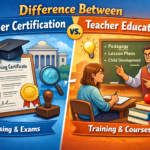
Introduction The difference between teacher certification and teacher education lies in their purpose and structure within the broader education system. Teacher education focuses on developing pedagogical knowledge, subject expertise, and professional teaching skills, while teacher certification validates that an individual meets required teaching standards. Together, they form the foundation of credible teaching qualifications and support
Introduction The comparison between college-based teacher education vs training institutes highlights how educators obtain professional preparation and recognised teaching qualifications. College-based programs are usually offered by academic institutions and align with higher education standards, while training institutes often focus on shorter, skill-based certification programs. Understanding this distinction helps teachers, aspiring educators, and education professionals choose